Best Fabrics for Sensitive Skin: What to Wear (and Avoid)
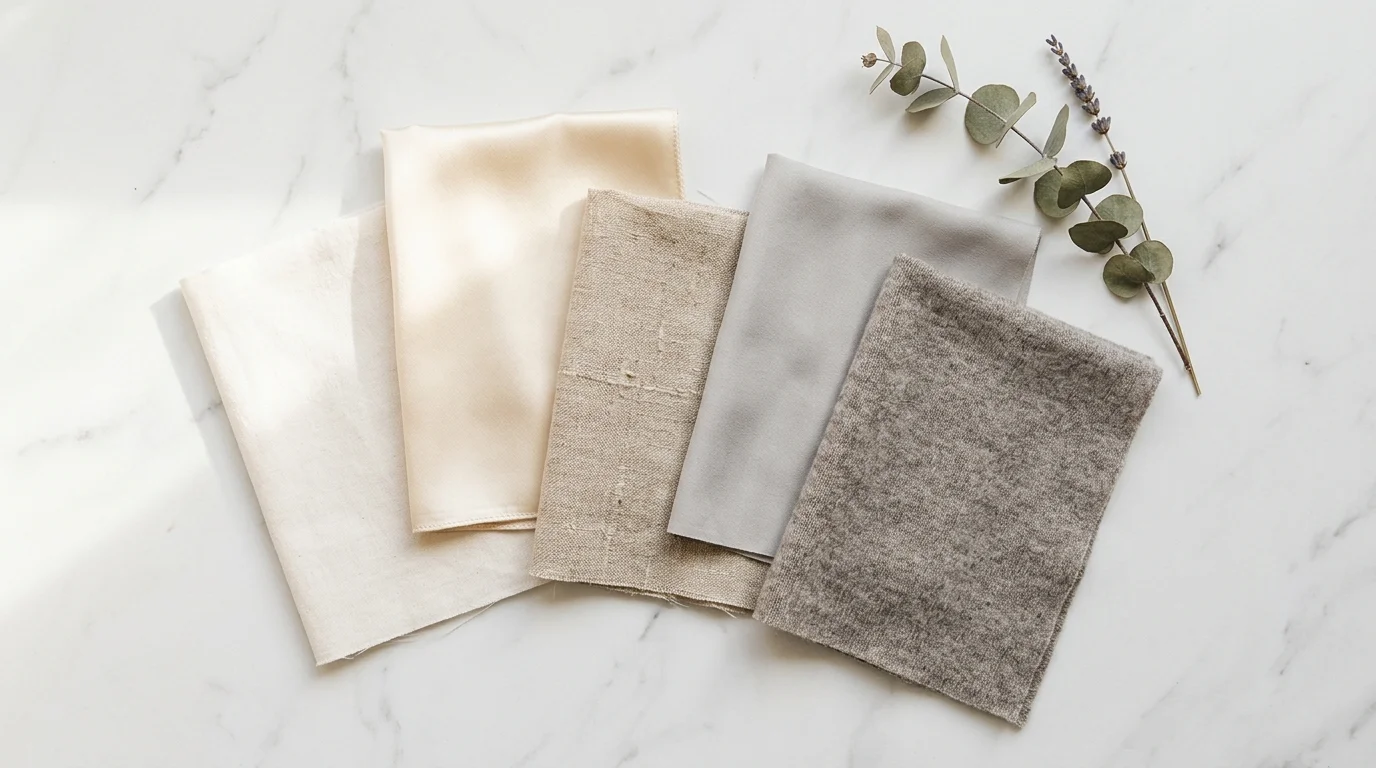
Your skin is your largest organ — and it spends most of the day pressed against fabric. If you deal with eczema, contact dermatitis, or unexplained itching, the material you're wearing could be the hidden trigger. This guide ranks the best and worst fabrics for sensitive skin, with specific advice for common skin conditions and practical shopping tips.
TL;DR
Organic cotton, TENCEL/lyocell, silk, and linen are the safest fabrics for sensitive skin. Avoid polyester, nylon, and acrylic against bare skin. For instant results before you buy, FiberCheck's AI scan gives you a skin compatibility score in seconds.
Why Does Your Skin React to Certain Fabrics?
Fabric-related skin reactions fall into three categories, and understanding them is the first step to choosing the right materials:
Mechanical Irritation
Rough fiber surfaces create friction against your skin. Coarse wool, stiff synthetics, and textured weaves physically scratch and irritate — especially at friction points like the neck, wrists, and waistband.
Chemical Irritation
Dye residues, formaldehyde finishes, and flame retardants stay in fabric after manufacturing. These chemicals leach onto your skin with moisture and heat, triggering contact dermatitis. Learn more about toxic dyes to avoid.
Thermal Irritation
Non-breathable fabrics trap heat and moisture against your skin, creating the perfect environment for bacterial growth, heat rash, and eczema flare-ups. This is why synthetic activewear can feel unbearable for sensitive skin.
Important distinction: true fabric allergies (immune response to a specific fiber) are rare. What most people experience is fabric irritation — a non-immune reaction caused by mechanical friction, chemical exposure, or trapped heat. The good news? Irritation is preventable by choosing the right fabrics.
People with eczema (atopic dermatitis), rosacea, psoriasis, or generally reactive skin are most vulnerable. But even healthy skin can react to harsh synthetics — especially in hot weather or during exercise.
The 5 Best Fabrics for Sensitive Skin
These fabrics consistently score highest for skin compatibility. They share key traits: smooth fiber surfaces, breathability, and minimal chemical processing.
1Organic Cotton
The gold standard for sensitive skin. Organic cotton is grown without synthetic pesticides or fertilizers, and GOTS-certified organic cotton is processed without harsh chemicals — meaning no residual irritants touching your skin.
Regular cotton is decent too, but may carry pesticide residues and is often finished with formaldehyde for wrinkle resistance. For a deeper comparison, see our guide on organic cotton vs regular cotton.
2TENCEL / Lyocell
Made from sustainably sourced wood pulp in a closed-loop process, TENCEL (a brand name for lyocell) has an ultra-smooth fiber surface that creates almost zero friction against skin. Multiple dermatological studies have recommended it specifically for eczema patients.
3Silk
Silk is a natural protein fiber with amino acids similar to those found in human skin. It's been used in therapeutic garments for eczema patients in clinical settings — and for good reason.
Downside: silk is expensive and requires delicate care. For daily wear, TENCEL offers similar smoothness at a lower price point.
4Linen
Linen is made from flax fibers and is one of the most breathable fabrics available. It's the go-to choice for hot climates and anyone prone to heat rash.
One caveat: new linen can feel slightly stiff or rough. If you have highly reactive skin, opt for pre-washed or stonewashed linen, which is already broken in.
5Superfine Merino Wool
This one surprises people. Isn't wool itchy? Regular wool — yes. But superfine merino (fiber diameter under 18.5 microns) is a different story entirely. Studies have shown it can actually improve eczema symptoms, outperforming cotton in some clinical trials.
Key qualifier: it must be superfine grade (under 18.5 microns). Standard wool at 25+ microns will still irritate sensitive skin. Always check the label — or scan it.
The 4 Worst Fabrics for Sensitive Skin
These fabrics are most likely to trigger itching, rashes, and flare-ups. If you have sensitive skin, minimize direct contact with these materials.
1Polyester
The most common synthetic fabric — and the most common irritant. Polyester traps heat and moisture against skin, creating a warm, humid microclimate where bacteria thrive and eczema flares up.
Learn more about polyester's health risks in our dedicated guide.
2Nylon
Similar to polyester but even less breathable. Nylon is commonly used in underwear, stockings, and swimwear — all areas where sensitive skin is most vulnerable. Formaldehyde finishes are common in nylon garments for wrinkle resistance.
3Acrylic
Often used as a cheap wool substitute in sweaters and blankets. Acrylic fibers have rough surfaces that cause friction, and the material generates significant static electricity — pulling dust mites and allergens directly onto your skin.
4Conventional Rayon / Viscose
Rayon starts as natural cellulose but is processed with heavy chemicals — including carbon disulfide, sodium hydroxide, and sulfuric acid. Residues from this process can remain in the finished fabric and irritate sensitive skin.
Don't confuse conventional rayon with TENCEL/lyocell — they're both regenerated cellulose, but TENCEL's closed-loop process eliminates the harsh chemical residues. The manufacturing process matters as much as the fiber itself.
What About Blends?
A 60/40 cotton-polyester blend is better than 100% polyester, but still not ideal for highly reactive skin. The synthetic component still reduces breathability and can trigger flare-ups. For sensitive skin, aim for at least 90% natural fiber content. Fast fashion frequently uses cheap blends — learn more about fast fashion's hidden health costs.
Fabric Skin-Friendliness at a Glance
| Fabric | Type | Breathability | Skin Score | Best For | Avoid If |
|---|---|---|---|---|---|
| Organic Cotton | Natural | Excellent | 9/10 | All skin types, eczema | — |
| TENCEL / Lyocell | Semi-synthetic | Excellent | 9/10 | Eczema, dermatitis | — |
| Silk | Natural | Good | 8/10 | Night wear, layering | Budget constraints |
| Linen | Natural | Excellent | 8/10 | Hot weather, heat rash | Very reactive skin (buy pre-washed) |
| Merino Wool | Natural | Good | 7/10 | Cold weather, base layers | Wool allergy (rare) |
| Regular Cotton | Natural | Good | 7/10 | Everyday wear | Chemical sensitivity |
| Bamboo Viscose | Semi-synthetic | Good | 6/10 | Casual wear | Chemical residue concerns |
| Rayon / Viscose | Semi-synthetic | Moderate | 4/10 | — | Eczema, chemical sensitivity |
| Nylon | Synthetic | Poor | 3/10 | — | Any skin sensitivity |
| Polyester | Synthetic | Poor | 2/10 | — | Eczema, heat rash |
| Acrylic | Synthetic | Poor | 2/10 | — | Any skin sensitivity |
Fabric Guides by Skin Condition
Eczema (Atopic Dermatitis)
Best: Organic cotton, TENCEL, silk
Avoid: All synthetics, rough wool, tight elastic waistbands against bare skin
Tip: Choose tagless garments and consider wearing seams outward to eliminate friction on irritated areas.
Contact Dermatitis
Best: Unbleached organic cotton, undyed linen
Avoid: Heavily dyed fabrics, "wrinkle-free" or "stain-resistant" clothing
Tip: Wash new clothes 2-3 times before wearing to remove chemical residues. See our laundry guide.
Heat Rash (Miliaria)
Best: Linen, lightweight cotton, TENCEL
Avoid: Polyester, nylon, tight-fitting synthetics
Tip: Prioritize loose-fitting garments with maximum airflow. Linen's breathability makes it ideal for humid climates.
For parents with babies who have sensitive skin, fabric choices are even more critical. See our dedicated baby clothing fabric safety guide.
Shopping Tips: What to Look for on Labels
How FiberCheck Helps You Find Skin-Safe Clothing
Reading labels is a good start — but what if the label is faded, cut off, or you're not sure what "60% modal / 35% polyester / 5% elastane" really means for your skin? That's where AI makes it simple.
Scan the clothing label with your phone camera
AI analyzes fabric composition, dyes, and chemical finishes
Get a skin compatibility score, allergen alerts, and safer alternatives
FiberCheck gives you a dedicated skin compatibility rating as part of its analysis — so you know before you buy whether a garment is safe for sensitive skin. It works on labels in any language and handles blended fabrics that are hard to evaluate manually. Learn more about how fabric scanning works in our fabric identification guide.
The Bottom Line
Choosing the right fabric is one of the simplest, most effective things you can do for sensitive skin. Organic cotton and TENCEL are the safest all-rounders. Silk and linen are excellent for specific needs. Avoid polyester, nylon, and acrylic against bare skin whenever possible.
When shopping, read the full label — or scan it with FiberCheck for an instant skin compatibility report. Your skin will thank you.
Scan Your Clothes — Know What You're Wearing
FiberCheck analyzes clothing labels and fabric photos instantly using AI, giving you health scores, chemical breakdowns, and safety insights in seconds. Make safer choices for your family.