Fabric Identification Guide — How to Check What Your Clothes Are Made Of
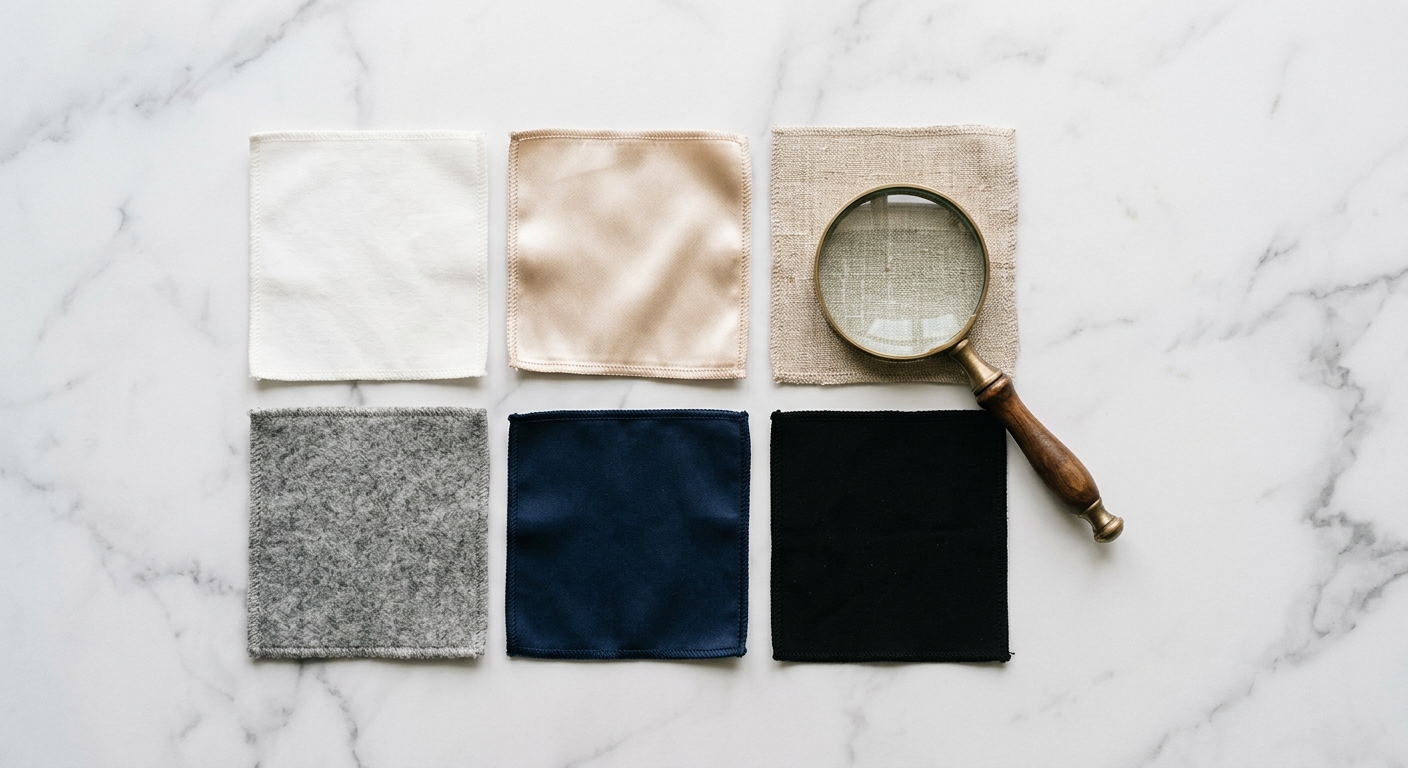
That clothing label says "100% polyester" — but what if the label is missing, faded, or you suspect it's wrong? Fabric identification is a practical skill that helps you make healthier clothing choices, avoid allergens, care for garments properly, and spot mislabeled fast fashion. Whether you have sensitive skin, shop second-hand, or simply want to know what you're really wearing, this guide covers every method — from the classic burn test to AI-powered instant scanning.
Why Fabric Identification Matters
Knowing what your clothes are made of isn't just a curiosity — it directly affects your health, wallet, and the environment. Here's why fabric identification is a skill worth learning:
Health & Allergies
Certain synthetic fabrics can trigger skin irritation, eczema flare-ups, and contact dermatitis. Identifying fabric content helps you avoid materials your body reacts to.
Proper Garment Care
Washing silk like cotton or ironing polyester at high heat ruins clothes. Knowing the fabric means you can wash, dry, and store garments correctly — extending their lifespan significantly.
Quality & Value
A "silk" blouse that's actually polyester isn't worth the premium price. Fabric identification helps you assess true garment value and avoid overpaying for mislabeled items.
Environmental Impact
Synthetic fabrics shed microplastics with every wash. Knowing what you're wearing helps you make choices that are better for the planet — and your health.
Mislabeling Is More Common Than You Think
Studies have found that 10–30% of fast fashion garments are mislabeled, particularly items claiming to be "silk" or "cashmere." This is especially common with online purchases from discount retailers. Learn more about the hidden health costs of fast fashion.
Common Fabric Types and Their Characteristics
Before you can identify a fabric, you need to know what you're looking for. Here are the 8 most common fabric types and their defining characteristics:
Cotton Natural
Soft, breathable, absorbs moisture quickly. Wrinkles easily. The most widely used fabric in the world — found in everything from t-shirts to bed sheets.
Polyester Synthetic
Smooth with a slight plastic feel, wrinkle-resistant, doesn't breathe well. Dries quickly. Learn about its potential health risks.
Silk Natural
Extremely smooth and cool to the touch, natural sheen, lightweight. A protein fiber produced by silkworms — one of the most luxurious and frequently counterfeited fabrics.
Wool Natural
Warm, slightly rough or fuzzy texture, naturally elastic. Retains heat even when wet. An animal fiber primarily from sheep, also available as merino, cashmere, and alpaca.
Linen Natural
Crisp texture, cool to the touch, wrinkles heavily. Made from flax plant fibers. Exceptionally breathable — ideal for hot climates and summer wear.
Nylon Synthetic
Smooth, stretchy, lightweight with a slight shine. Very durable and quick-drying. Common in activewear and stockings. Sheds microplastics when washed.
Rayon / Viscose Semi-Synthetic
Soft like cotton, drapes beautifully, breathable. Made from wood pulp through chemical processing. Often used as a cheaper silk alternative.
Spandex / Elastane Synthetic
Extremely stretchy — can stretch up to 5x its length. Always blended with other fibers. Found in leggings, swimwear, and anything with "stretch" in the name.
Fabric Identification Comparison Chart
Use this quick-reference table to compare fabric properties side by side. This is your cheat sheet for identifying unknown fabrics:
| Fabric | Feel | Breathability | Wrinkle | Burn Test Result | Health Score |
|---|---|---|---|---|---|
| Cotton | Soft, warm | High | High | Paper smell, white ash | 7–9 |
| Polyester | Smooth, plastic | Low | Very low | Chemical smell, hard bead | 3–5 |
| Silk | Very smooth, cool | Medium | Low | Hair smell, crushable ash | 8–10 |
| Wool | Warm, fuzzy | Medium | Low | Hair smell, crushable ash | 7–9 |
| Linen | Crisp, cool | Very high | Very high | Paper smell, fine gray ash | 8–10 |
| Nylon | Smooth, silky | Low | Very low | Celery smell, hard gray bead | 4–6 |
| Rayon | Soft, drapey | Medium-High | Medium | Paper smell, minimal ash | 6–8 |
| Spandex | Stretchy, rubbery | Low | None | Chemical smell, melts and drips | 3–5 |
5 Methods to Identify Any Fabric
No single test is 100% definitive — but combining two or three of these methods will reliably identify almost any fabric you encounter.
1The Touch and Feel Test
Your fingertips are surprisingly accurate fabric checkers. Here's what to feel for:
2The Burn Test
Safety First
Only perform burn tests on small fabric scraps (about 1 inch). Work over a non-flammable surface, keep water nearby, and do this in a well-ventilated area. Never burn fabric while wearing it.
The burn test is the most reliable DIY method for fabric identification. Different fibers produce distinct smells, flames, and residues:
Natural Fibers
- Cotton / Linen — Burns steadily with a yellow flame. Smells like burning paper. Leaves fine, soft gray or white ash.
- Silk — Burns slowly, curls away from flame. Smells like burning hair. Leaves dark, crushable ash bead.
- Wool — Burns slowly, self-extinguishes. Smells like burning hair. Leaves dark, irregular, crushable ash.
Synthetic Fibers
- Polyester — Melts and drips, burns with black smoke. Chemical/sweet smell. Leaves hard, dark bead that can't be crushed.
- Nylon — Melts before igniting, drips. Smells like celery or plastic. Leaves hard, round gray bead.
- Spandex — Melts and drips rapidly. Strong chemical smell. Leaves soft, sticky residue.
3The Water Drop Test
Place a single drop of water on the fabric and observe how quickly it's absorbed. This simple test instantly separates natural from synthetic fibers:
4Visual Inspection
You can learn a lot about fabric just by looking closely. Hold the fabric up to light and examine these visual cues:
Sheen
Silk has a natural, subtle sheen that shifts with movement. Polyester has a more uniform, artificial shine. Cotton and linen have no sheen — they look matte.
Texture
Linen has visible slubs (small bumps) in the weave. Cotton weave is more uniform. Polyester threads are perfectly even and consistent.
Wrinkle Test
Crush the fabric in your fist for 30 seconds, then release. Linen wrinkles heavily, cotton wrinkles moderately, polyester bounces back smooth.
Thread Examination
Pull a single thread and untwist it. Natural fibers have irregular ends that fray. Synthetic fibers are smooth, uniform, and may melt when touched to a flame.
5Reading the Care Label
The easiest and most reliable fabric identification method — when the label is present and accurate. Here's what to look for:
For a complete guide to decoding every part of clothing labels, read our guide to reading clothing labels for health red flags. You can also learn how to check for harmful chemicals in your clothes.
How FiberCheck Makes Fabric Identification Instant
Manual fabric identification works — but it takes practice, and the burn test isn't exactly something you can do in a store. FiberCheck uses AI to give you instant, accurate results from a single photo.
Scan the clothing label with your phone camera
AI analyzes fabric composition and identifies every fiber
Get a health score (0–10), chemical breakdown, and skin compatibility report
FiberCheck works on labels in any language and can even process faded or partially damaged labels. It's the fastest way to go from "what is this made of?" to a complete health and safety analysis. See how it works in practice with our organic cotton vs regular cotton comparison.
Frequently Asked Questions
How can I tell if fabric is cotton or polyester without a label?
Use the touch test first: cotton feels soft and warm, while polyester is smoother and cooler with a slight plastic quality. Then try the water drop test — cotton absorbs water instantly, polyester repels it. Finally, the wrinkle test: crush the fabric for 30 seconds — cotton wrinkles, polyester bounces back.
Is the burn test safe to do at home?
Yes, with basic precautions. Use a small swatch (about 1 inch square), hold it with metal tweezers or tongs over a non-flammable surface, and keep a bowl of water nearby. Do this outdoors or near an open window. Never burn fabric while wearing it, and be cautious with synthetics — they melt and can drip.
Can fabric labels be wrong or inaccurate?
Yes. Independent testing has found mislabeling rates of 10–30% in fast fashion, particularly for premium fibers like silk and cashmere. Labels can also be intentionally vague (e.g., "man-made materials" without specifying which ones). AI-powered tools like FiberCheck can help verify claims by analyzing fabric composition independently.
What's the healthiest fabric to wear?
For most people, natural fibers — especially organic cotton, linen, and silk — with minimal chemical processing score highest for skin health. GOTS-certified organic cotton is the gold standard for sensitive skin. However, the "healthiest" fabric depends on your specific needs: wool is excellent for cold weather, linen for hot climates. Learn more in our complete fabric health guide.
The Bottom Line
Fabric identification is a practical, learnable skill. By combining just two or three simple tests — touch, water, and visual inspection — you can reliably identify most fabrics without any special equipment. The burn test adds a definitive layer for trickier cases.
For instant, AI-powered results without the guesswork, scan your clothes with FiberCheck. Whether you're shopping for a baby, managing sensitive skin, or simply want to know what you're paying for, knowing your fabrics puts you in control of your health and wardrobe.
Scan Your Clothes — Know What You're Wearing
FiberCheck analyzes clothing labels and fabric photos instantly using AI, giving you health scores, chemical breakdowns, and safety insights in seconds. Make safer choices for your family.