How to Read Clothing Labels: Spotting Health Red Flags Before You Buy
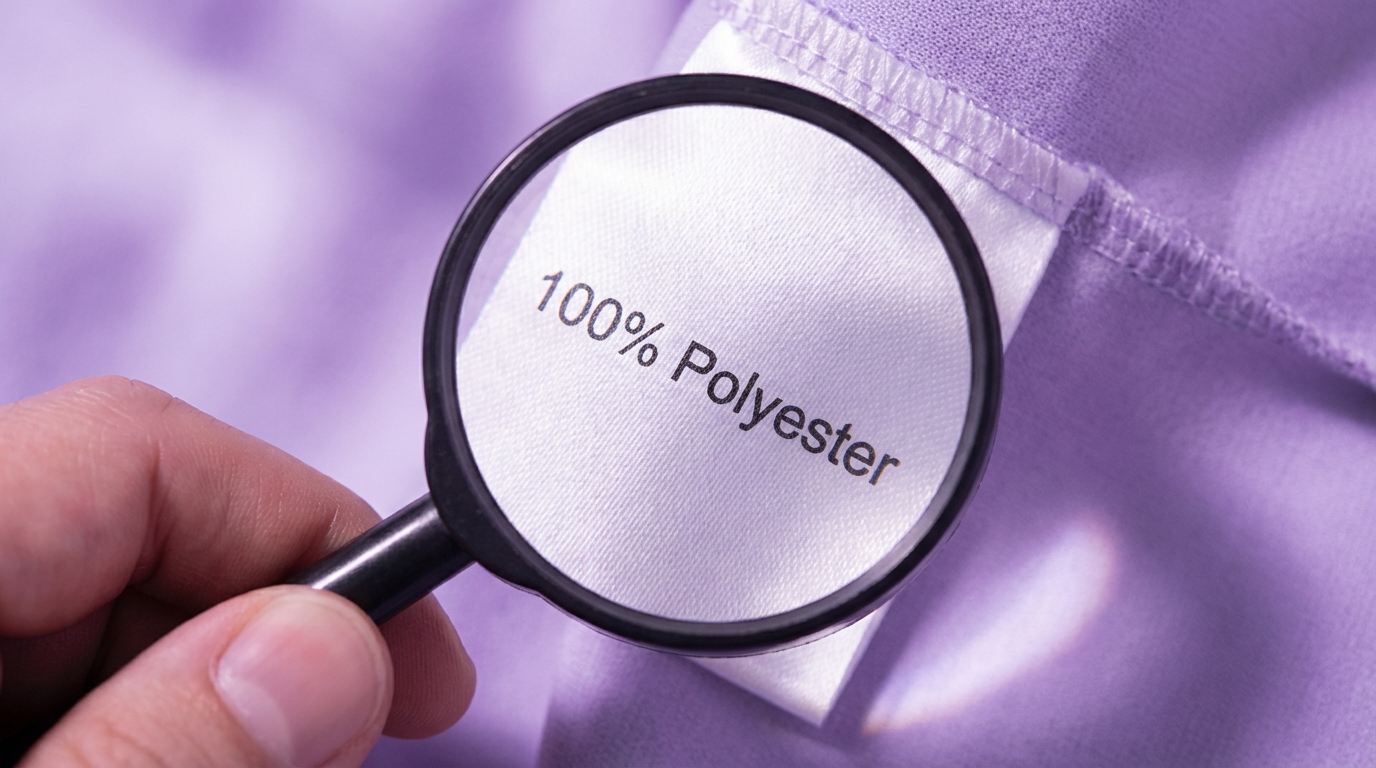
You flip over a shirt tag, see "100% polyester," and toss it in your cart. But that label is telling you more than you think — and some of it might matter for your skin, allergies, and overall health. Here's how to read between the fibers.
Red Flag #1: High Synthetic Percentages
Anything over 50% polyester, nylon, or acrylic means less breathability and more trapped sweat. Synthetic fabrics don't wick moisture like natural fibers — they hold it against your skin, creating a perfect environment for irritation and bacterial growth. If you're prone to rashes or body acne, this is your first warning sign.
👆 Try it yourself — Scan your own clothes with FiberCheck (Free)
Red Flag #2: Vague Chemical Treatments
Labels with "wrinkle-free," "stain-resistant," or "antimicrobial" often contain formaldehyde-based finishes or heavy chemical treatments. These can off-gas during wear and trigger allergic reactions or respiratory issues. If the label doesn't specify what the treatment is, assume it's not something you want next to your skin all day.
Red Flag #3: Blended Elastane or Spandex Above 10%
Stretch is convenient, but elastane over 10% often signals heavily processed fabrics with synthetic binders and dyes. These blends are harder to wash clean, trap odors faster, and degrade into microplastics. Look for blends under 5% if you want stretch with less chemical load.
What to Look For Instead
- Natural fiber blends: Cotton, linen, wool, or bamboo at 70% or higher.
- Certifications: OEKO-TEX, GOTS, or bluesign labels mean tested for harmful chemicals.
- Simple dye statements: "Low-impact dyes" or "natural dyes" indicate less chemical processing.
The Bottom Line
Most clothing labels hide more than they reveal. But once you know what to look for — synthetic percentages, vague treatments, and excessive stretch blends — you can make smarter choices in under 10 seconds. Your skin will thank you.
Decode Any Label Instantly
FiberCheck analyzes clothing labels for you — just snap a photo and get a health score, chemical breakdown, and skin safety rating in seconds. No more guessing what's safe.