Is Your Baby's Clothing Safe? A Guide to Fabric Safety
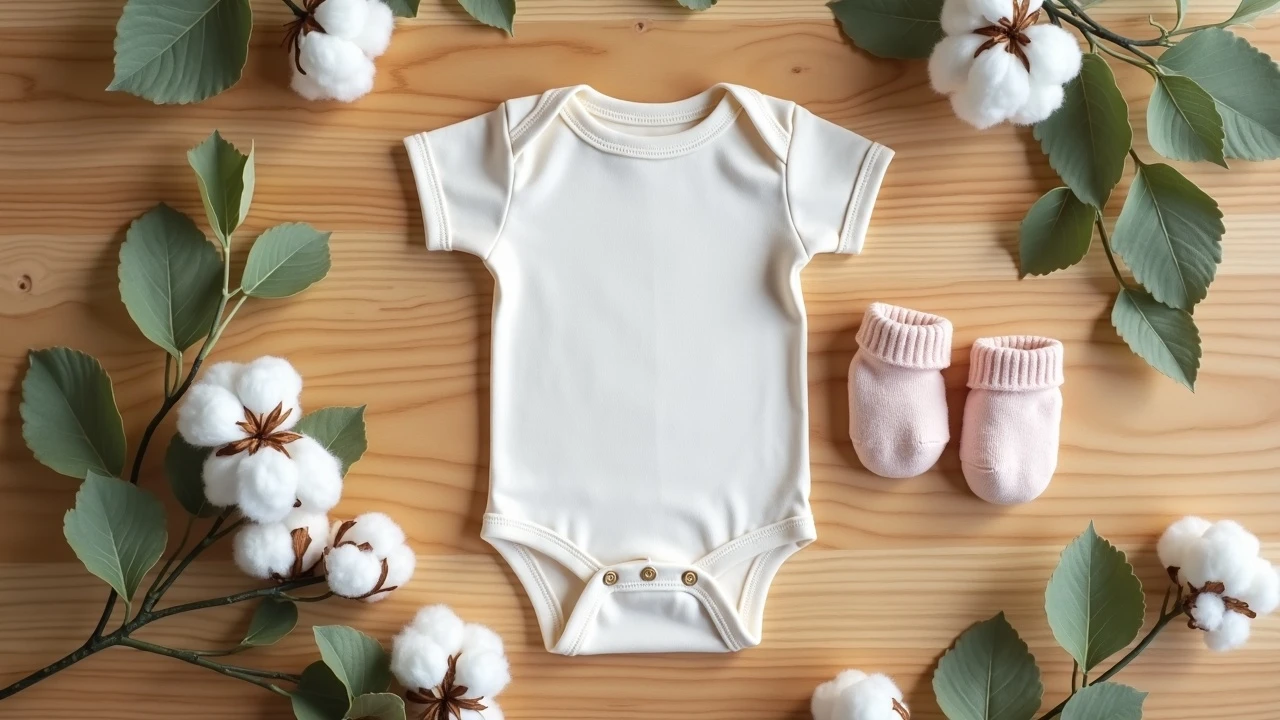
Your newborn's skin is roughly 30% thinner than yours. It absorbs substances faster, reacts more intensely, and lacks the protective barrier that adults develop over years. Yet the onesie your baby wears for 16 hours a day may contain chemicals that most adults would hesitate to put on their own skin. Here's what every parent needs to know about baby clothing safety.
Why Babies Are More Vulnerable to Fabric Chemicals
Babies aren't just small adults. Their bodies process chemicals differently in ways that increase risk from textile exposure.
- Thinner epidermis — An infant's outer skin layer is significantly thinner, allowing chemicals to penetrate more easily into the bloodstream. Transdermal absorption rates in newborns can be up to three times higher than in adults.
- Oral exposure — Babies mouth everything, including their clothing. Sleeves, collars, and bibs spend significant time in contact with saliva, creating another pathway for chemical ingestion.
- Immature detoxification — A newborn's liver and kidneys are still developing. Their bodies are less efficient at breaking down and eliminating chemical compounds, meaning even small exposures can accumulate.
- Extended contact time — Babies spend entire days in the same outfit. Unlike adults who change clothes after work, infants may wear a single onesie for 12-16 hours, maximizing exposure duration.
The Chemicals Hiding in Baby Clothes
Most baby clothing looks harmless on the rack. But manufacturing processes leave behind a cocktail of chemicals that don't appear on any label.
- Formaldehyde — Used in "wrinkle-free" and "easy-care" finishes. Even at low concentrations, formaldehyde can cause skin rashes, respiratory irritation, and allergic reactions in sensitive infants.
- Azo dyes — Responsible for many of those bright, cheerful baby prints. Certain azo dyes can break down into aromatic amines, some of which are classified as carcinogenic. The EU restricts over 20 aromatic amines in textiles.
- PFAS (forever chemicals) — Found in water-resistant baby outerwear and some stain-resistant bibs. PFAS don't break down in the environment or the body and are linked to immune system disruption. Learn more about PFAS in clothing.
- Phthalates — Found in printed designs (those rubbery graphics on baby tees) and plastic snaps. Phthalates are endocrine disruptors that can interfere with hormonal development.
The Flame Retardant Paradox
US law requires flame resistance in loose-fitting children's sleepwear (sizes 9 months to 14 years), which often means chemical treatment. However, tight-fitting sleepwear is exempt from this requirement because snug fabric is less likely to catch fire. Choosing tight-fitting pajamas is often the safer option — you avoid flame retardant chemicals while still meeting safety standards.
The Safest Fabrics for Babies
Not all fabrics are created equal. These materials consistently rank as the safest choices for infant skin.
- GOTS-certified organic cotton — The gold standard for baby clothing. No synthetic pesticides in cultivation, no chemical finishes in processing, and strict limits on dyes and additives. Gets softer with every wash.
- Bamboo lyocell (not viscose) — Naturally hypoallergenic and thermoregulating. Lyocell processing uses a closed-loop system that recovers 99% of solvents, unlike viscose which involves harsh chemical baths.
- Merino wool — Naturally antimicrobial and excellent at temperature regulation. Fine merino (under 18.5 microns) is soft enough for newborn skin and helps prevent overheating — a factor in SIDS risk.
- Untreated linen — Durable, naturally antimicrobial, and improves with age. Linen's open weave provides excellent breathability for warm climates. Best for older babies who need less softness.
👆 Try it yourself — Scan your own clothes with FiberCheck (Free)
5 Rules for Safer Baby Clothing
- 1Wash new clothes 2-3 times before first wear. This removes a significant portion of surface chemical residues including formaldehyde, excess dyes, and finishing agents. Use unscented, fragrance-free detergent. See our guide to proper washing.
- 2Choose tight-fitting sleepwear. Snug pajamas are exempt from flame retardant requirements in the US. This simple choice eliminates one of the most concerning chemical categories in children's clothing.
- 3Prefer light and pastel colors. Bright, saturated colors require more dye processing and higher concentrations of potentially harmful colorants. White, natural, and pastel shades undergo less chemical treatment.
- 4Look for OEKO-TEX Standard 100 Class I certification. This is the strictest testing tier, designed specifically for baby products. It tests for over 350 harmful substances at limits far below standard adult thresholds.
- 5Avoid "easy care," "wrinkle-free," and "stain-resistant" labels. These marketing terms almost always indicate chemical treatments — formaldehyde resins for wrinkle resistance, PFAS for stain resistance. Learn to decode clothing labels.
Certifications You Can Trust
Not all labels are marketing fluff. These certifications involve independent third-party testing with real standards behind them.
OEKO-TEX Standard 100 (Class I)
The strictest tier, designed specifically for baby products. Tests for 350+ harmful substances including formaldehyde, heavy metals, pesticides, and phthalates at the lowest permissible limits.
GOTS (Global Organic Textile Standard)
Covers the entire supply chain from organic fiber harvesting to finished product. Requires at least 95% certified organic fibers and bans all toxic chemical inputs.
bluesign
Focuses on safe chemical management throughout manufacturing. Ensures that the factory environment, worker safety, and final product all meet strict chemical safety benchmarks.
EU Ecolabel
Combines environmental performance with chemical safety criteria. Restricts harmful substances and requires reduced water and air pollution during production. Read our EU standards guide.
The Bottom Line
Your baby's wardrobe doesn't need to be expensive to be safe. Focus on organic cotton basics, wash everything before use, and look for OEKO-TEX Class I certification. These three steps eliminate the majority of chemical exposure risks. When in doubt, simpler is better — plain, undyed, unfinished natural fabrics are almost always the safest choice for your little one.
Scan Your Clothes — Know What You're Wearing
FiberCheck analyzes clothing labels and fabric photos instantly using AI, giving you health scores, chemical breakdowns, and safety insights in seconds. Make safer choices for your family.