Is Polyester Bad for Babies? What Every Parent Should Know
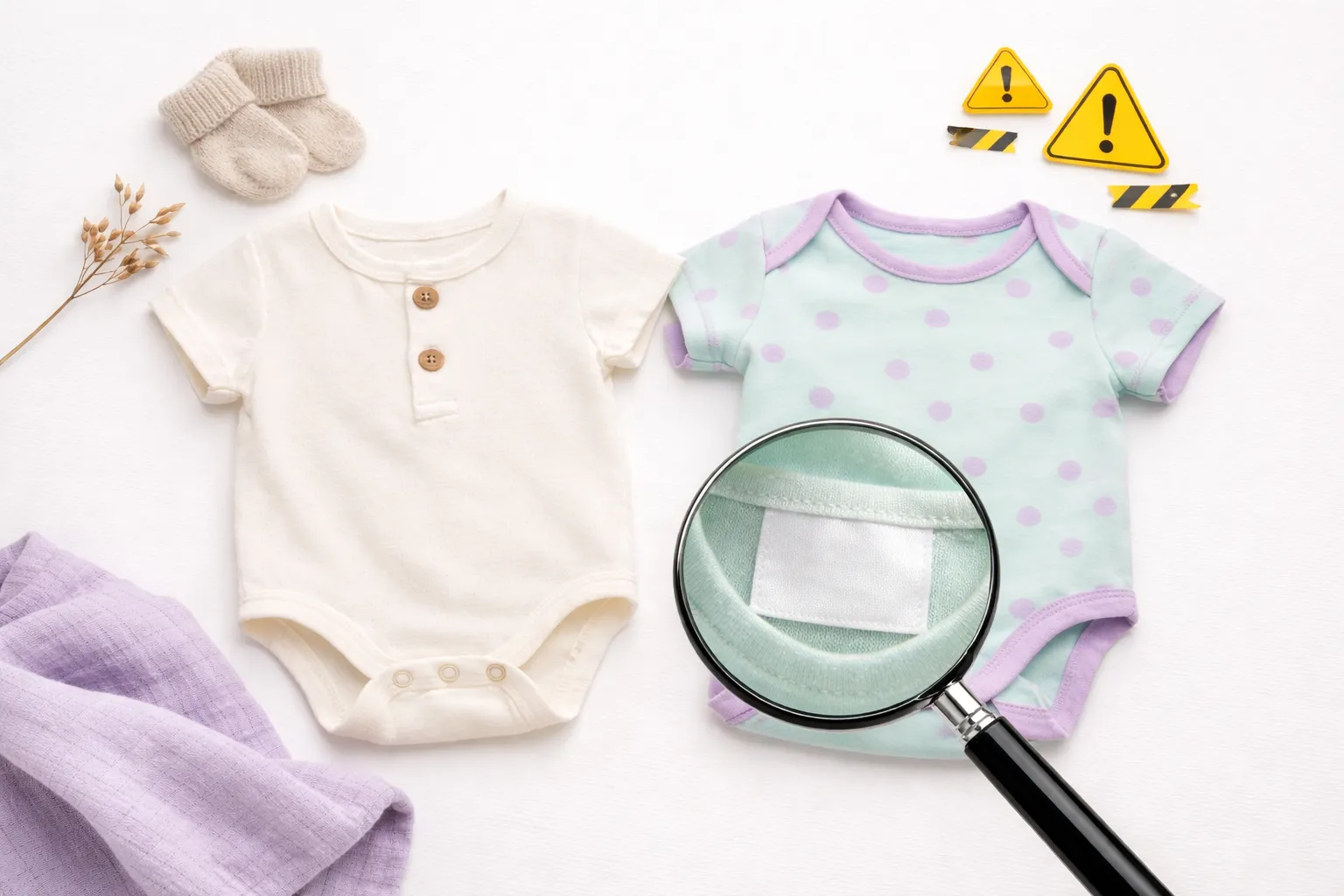
Polyester is everywhere — in onesies, sleepwear, blankets, and even "organic-looking" baby clothes. It's cheap, durable, and easy to care for. But as a petroleum-based synthetic fiber, polyester raises real concerns when it sits against a baby's delicate skin for hours at a time. Here's what the research says and what you can do about it.
Why Parents Worry About Polyester
Polyester is made from polyethylene terephthalate (PET), a plastic derived from crude oil. During manufacturing, it undergoes chemical treatments including dyeing, finishing, and sometimes antimicrobial coating — each adding substances that may remain in the final fabric.
A baby's skin is roughly 30% thinner than an adult's and absorbs chemicals at a significantly higher rate. What might be harmless for an adult wearing a polyester shirt for 8 hours could be a very different story for an infant in a polyester onesie for 16 hours straight. This is why pediatric dermatologists and toxicologists increasingly recommend natural fibers for infants.
5 Reasons Polyester May Not Be Safe for Babies
- 1Chemical finishes and residues. Polyester production involves formaldehyde-based resins, antimony trioxide (a catalyst), and various finishing agents. Studies have detected antimony leaching from polyester fabrics, especially in warm, moist conditions — exactly the environment created by a baby's body heat and sweat.
- 2Overheating risk. Polyester traps heat and doesn't breathe well. Babies can't regulate their body temperature as effectively as adults. Overheating is a known risk factor for SIDS (Sudden Infant Death Syndrome), and non-breathable fabrics like polyester can contribute to elevated core body temperature during sleep.
- 3Skin irritation and eczema. Polyester's synthetic fibers can cause friction against sensitive skin, leading to rashes, redness, and irritation. For babies with eczema or atopic dermatitis (affecting up to 20% of infants), polyester can worsen flare-ups by trapping moisture and creating a less breathable microenvironment against the skin.
- 4Microplastic shedding. Every wash releases thousands of microplastic fibers from polyester garments. These microplastics end up in water systems and can even become airborne. While the direct health impact on babies is still being studied, emerging research links microplastic exposure to inflammation and cellular stress. Learn more about microplastics in clothing.
- 5Allergens in dyes and coatings. The bright colors and fun prints on polyester baby clothes often involve disperse dyes, which are a leading cause of textile contact dermatitis. Babies who mouth their clothes (which is most babies) also ingest whatever's on the fabric surface.
The "Polyester Blend" Trap
Many baby clothes labeled "cotton" are actually cotton-polyester blends (e.g., 60% cotton, 40% polyester). Always check the full composition on the care label. A fabric labeled "cotton feel" or "cotton touch" is almost certainly a blend. Use FiberCheck to scan the label and see exactly what's in the fabric.
When Polyester Might Be Acceptable
Polyester isn't always the enemy. In some specific situations, it can be a reasonable choice — especially when alternatives aren't practical.
- Outdoor and rain gear. For waterproof jackets and snow suits, polyester is sometimes necessary. Since these are worn over other layers and for shorter periods, direct skin contact is minimal.
- OEKO-TEX Standard 100 Class I certified polyester. This certification tests for 350+ harmful substances at the strictest limits designed for baby products. If you must use polyester, this is the safest option.
- Recycled polyester (rPET). While still synthetic, recycled polyester generally has a lower chemical load since it bypasses some of the initial manufacturing chemical processes. However, it still sheds microplastics.
- Cotton-polyester blends for active toddlers. For older babies (12+ months) who are crawling and walking, a high-cotton blend (80%+ cotton) can offer durability without sacrificing too much breathability. Avoid for newborns and sleepwear.
Safest Fabrics for Baby Clothing
When replacing polyester in your baby's wardrobe, these fabrics consistently score highest for infant safety. See our complete guide to baby clothing safety.
Organic Cotton (GOTS)
No synthetic pesticides, no chemical finishes, strict dye limits. The gold standard for everyday baby wear — onesies, sleepwear, and bodysuits. Gets softer with every wash.
Bamboo Viscose
Naturally hypoallergenic and temperature-regulating. Silky soft against sensitive skin. Look for lyocell-processed bamboo which uses a cleaner closed-loop production system.
Merino Wool
Naturally antimicrobial and excellent at temperature regulation. Fine merino (under 18.5 microns) is soft enough for newborns and helps prevent overheating during sleep.
Linen
Durable, naturally antimicrobial, and highly breathable. Ideal for warm climates and summer clothing. Best for older babies (6+ months) as it's less soft than cotton.
How to Check Your Baby's Clothes
You don't need a chemistry degree to know what's in your baby's clothes. FiberCheck makes it simple: scan the care label with your phone camera, and get an instant analysis including a dedicated baby safety score, chemical risk assessment, and personalized recommendations.
The baby safety score considers factors specific to infants — chemical absorption rates, breathability, allergen potential, and thermal regulation. A quick scan before you buy can save your baby from unnecessary chemical exposure. Read more about polyester health risks for all ages.
Frequently Asked Questions
Can babies wear polyester pajamas?
It's best to avoid polyester sleepwear for babies. Sleep is when babies spend the longest continuous time in one garment, and polyester's poor breathability increases overheating risk. Choose organic cotton or merino wool sleepwear instead, which help regulate temperature throughout the night.
Is polyester in blankets safe for babies?
Polyester fleece blankets are popular but carry the same breathability and chemical concerns. For newborns, use cotton muslin swaddles or merino wool blankets. If you use a polyester blanket, ensure it's OEKO-TEX Class I certified and never place it directly against the baby's bare skin.
What percentage of polyester is safe for baby clothes?
There's no official "safe percentage," but dermatologists generally recommend keeping polyester content below 20% for everyday baby wear. For sleepwear and items worn against bare skin, 100% natural fibers are recommended. Always prioritize OEKO-TEX or GOTS certified fabrics regardless of composition.
The Bottom Line
Polyester isn't immediately dangerous, but it's not the best choice for your baby's sensitive skin — especially for sleepwear and items worn for extended periods. The combination of chemical residues, poor breathability, microplastic shedding, and skin irritation potential makes natural fibers a significantly safer choice. When shopping, check the label (or scan it with FiberCheck), choose organic cotton or bamboo for everyday wear, and save polyester for outerwear only.
Scan Your Clothes — Know What You're Wearing
FiberCheck analyzes clothing labels and fabric photos instantly using AI, giving you health scores, chemical breakdowns, and safety insights in seconds. Make safer choices for your family.